ABNORMAL UTERINE BLEEDING AND HEAVY PERIODS
You do not have to normalize disruptive bleeding
Heavy, irregular, prolonged, or unexpected bleeding can interfere with work, sleep, exercise, travel, intimacy, and daily life. It may result from hormonal changes, fibroids, polyps, ovulatory problems, medications, pregnancy-related conditions, or changes in the uterine lining.
Bleeding after menopause always deserves medical evaluation. Very heavy bleeding accompanied by dizziness, fainting, chest pain, shortness of breath, or severe pain may require urgent or emergency care.
How we evaluate bleeding
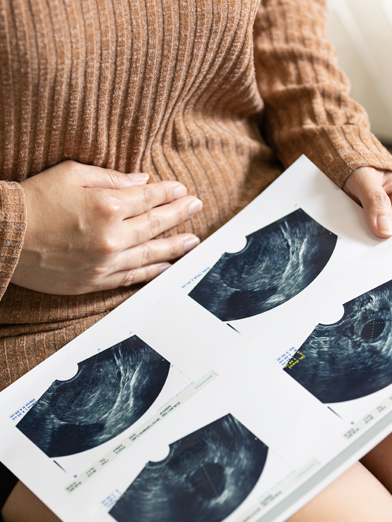
Your evaluation begins with the pattern of bleeding, symptoms, medications, pregnancy possibility, and personal and family history. Testing may include laboratory work, ultrasound, endometrial biopsy, or hysteroscopy depending on age and risk factors.
Treatment options
Treatment is based on the cause, severity, future pregnancy plans, and your preferences. Options may include observation, medication, hormonal therapy, an IUD, treatment of a polyp or fibroid, endometrial ablation for appropriate patients, or surgery.